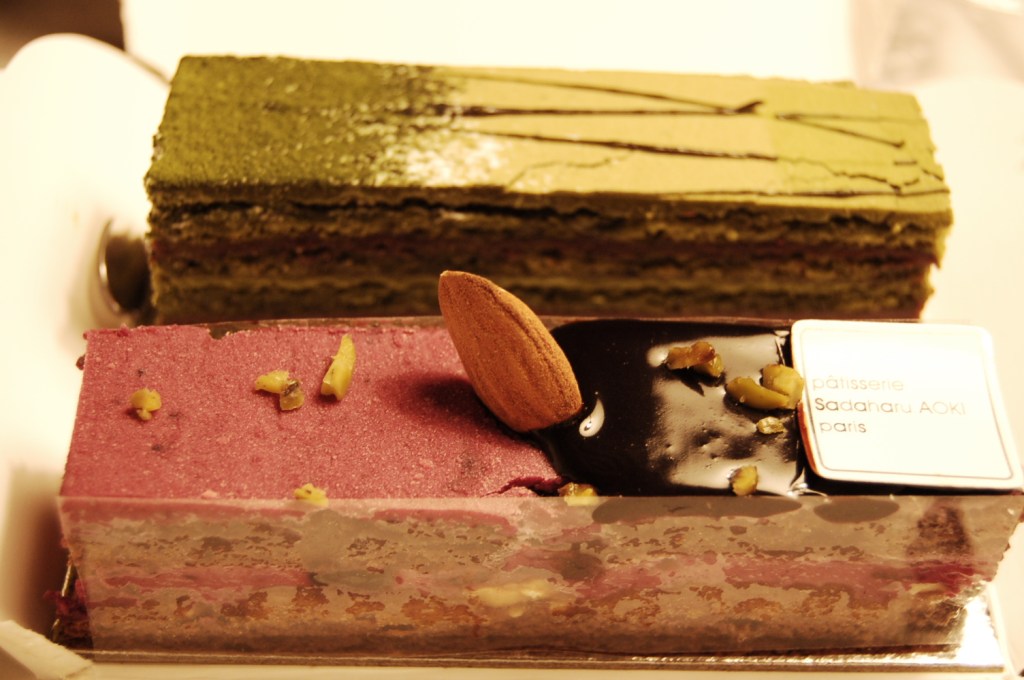
The Net is flooded with food blogs, so I haven’t written much about food though it’s for me one of the pleasures of life. But it’s that time of year again to put that diet on hold and relish the food you love preferably in the company of those close to you. Then, worry about the consequences in your 2024 resolutions
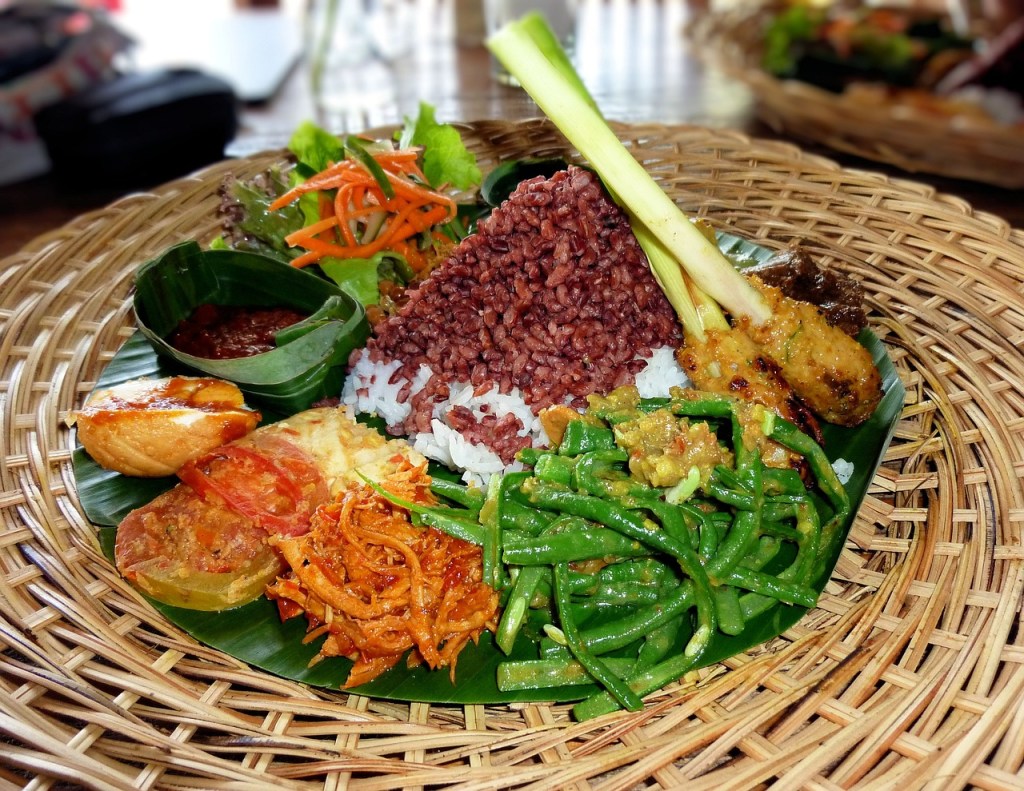
I hardly ever cook with a recipe on hand except when I bake sponge and chiffon cakes. Quite a while back, I also tried making French macarons, following recipes faithfully. But I was only moderately successful. My macarons turned out light and airy with crunchy tops. And they were always lip-licking delightful. But I was seldom able to produce the requisite “feet.” Serious macaron recipes require the right look and that look needs feet, a web-like lacey layer underneath its smooth top.
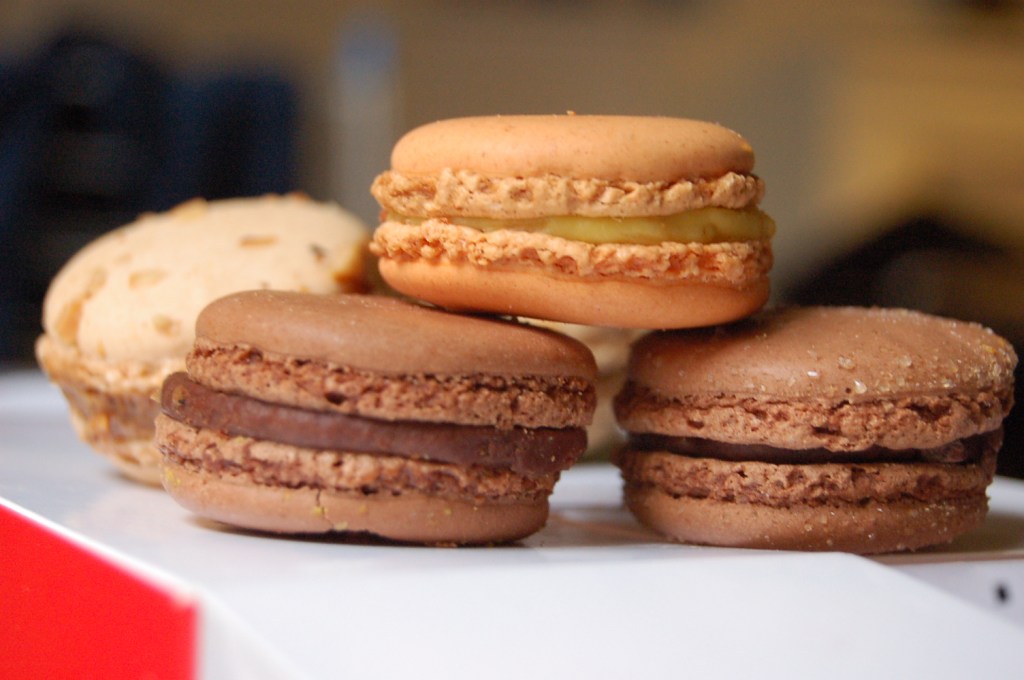
I may not follow recipes (like my grandmother and the French practice of cooking au pif), but my experience has taught me a few things—a couple from having “lived” for short periods in cramped apartments with nearly nonexistent kitchens in Paris.
1. A universal rule: top notch ingredients produce top notch dishes. I think this becomes even more important if your diet depends more on produce than on meats. Just don’t burn or overcook. Overcooking is what most often ruins good fresh fish and many vegetables.
2. One invention that we should credit to the French is good mayonnaise (no, not that bottle with ten ingredients, four or five is actually all you need). It does make many things taste better and it’s versatile. Combine with good sour cream/crème fraîche and Dijon mustard and you have a classic French remoulade that coats many things to yumminess—from shredded veggies (carrots, celery root, cabbage) to potatoes to shredded chicken. Add garlic to the basic mayo for an aioli that adds spicy complexity to any dish.
3. Never pour down the drain a bubbly that has gone flat. Think about it: the alcohol in wine and the companion bubbles in champagne evaporate while cooking.
The French douse countless dishes with wine, but I don’t always have what you’re supposed to use. Through serendipity, I once made a delicious braised beef dish in a closet-size Paris kitchen, intending initially to do Bouef Bourguignon. I had the braising beef, shallots and garlic but no burgundy or any other red wine on hand, but I had leftover Proseco and some tomatoes. So, I did a slow cook of the entire caboodle. Thirty minutes before the dish was done, I dumped in sliced fennel (the bulb) and red pepper. Nope, the purist would have said this was no Bouef Bourguignon. What it was, was baguette-soppin’ scrumptious! Cooking (even baking) au pif can surprise you deliciously.
I have since added and improved grocery-bought veggie soups and other sauces with flat champagne. Wine, in my experience, hardly ever fails to add that intriguing intricacy to a dish.
4. Like mayonnaise, a dab of good butter takes a dish to a higher level. Granted, so does a good olive oil.
 artsy rambler