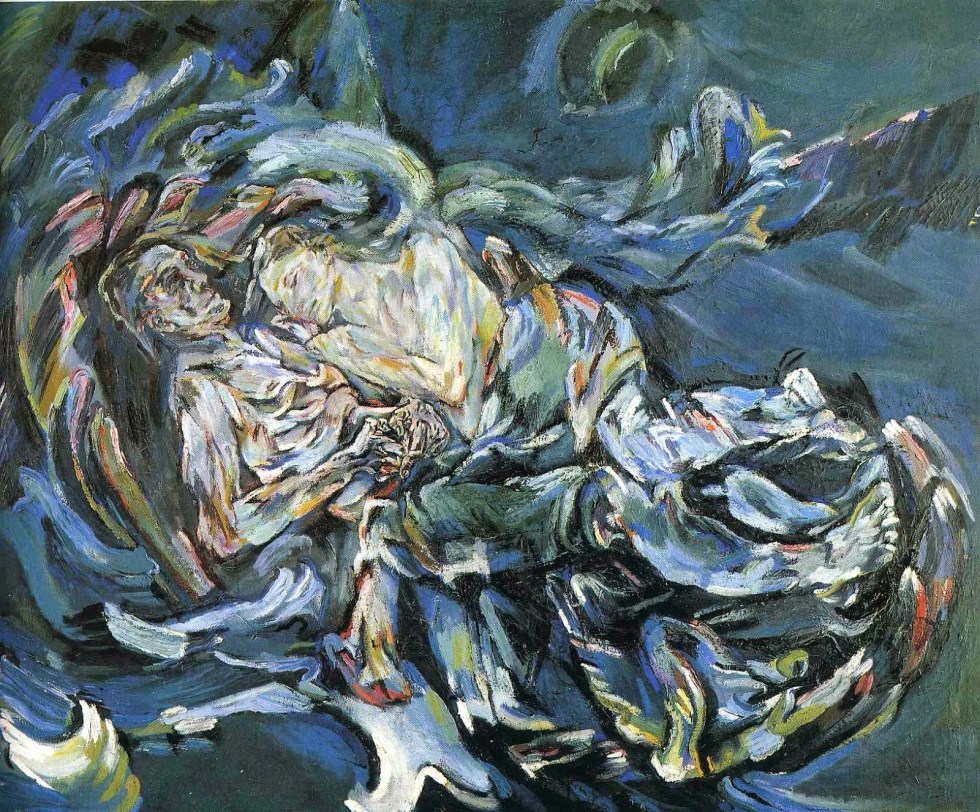

Back to the art studio where I was taking a class. An art studio is a place where passions run deep, usually unseen, undetected, until a provoking moment brings forth a torrent of intensity. I tried to copy a painting by Austrian expressionist Oskar Kokoschka, The Bride of the Wind. Copying has been standard practice for art students.
Here is a copy of the original painting. Do you notice anything morally objectionable about it? For me It seemed rather tame, referring to the sexual bliss of a couple. Romantic, yes. But not shocking. Little did I know how explosive art can be and how diabolical this copying could be.

While struggling to paint my clunky cloud that supported these lovers, another student, a prim, middle-aged woman, came up to me from behind. Stopped for a few seconds, and said “You are the devil.”
I turned toward her, surprised. I didn’t know what to say. She had a quiet intensity, a suppressed emotionality that came out at that moment, from I don’t know where. She did not, perhaps could not, say any more than her ringing condemnation of someone or something.
I didn’t know why I might have been seen as the devil, or if the sexually adventurous beautiful Alma Mahler (who was married to composer Gustav Mahler and reputed to have had many affairs with famous men) in the painting was the devil, or her lover Kokoschka was the devil. And it may have been the subject matter, two possibly illicit lovers. Or maybe, there is a lurking devil in every artwork, everyone of them, but only some of us can see it.
Could this woman calling me the devil, be a modern reincarnation of Savonarola, the great fifteenth-century religious reformer and fanatic who often led purging zealous processions through the streets of Florence, culminating in those bonfires of the vanities that burned fleshy paintings influenced by the classical world?
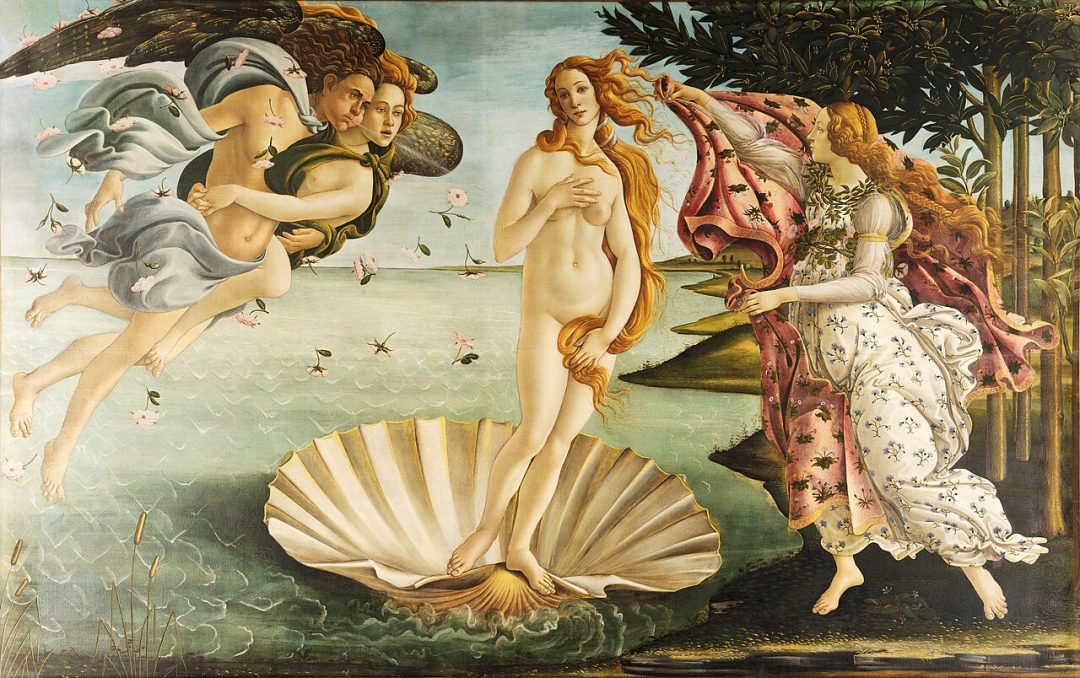
The historian Vasari writes that Sandro Boticelli was converted to follow Savonarola. Folklore tells the tale of Boticelli burning many of his beautiful works. Does it make you wonder what Boticelli artworks have been lost to us because of his sense of morality? Happily, we will always have the Birth of Venus, a beautiful and luscious painting permanently housed at the Uffizi Gallery in Florence.
How about you? To what extent do you think should our moral sense dictate whether—and what—artworks should be censored?
 artsy rambler