To most people who were in Paris this June, Paris 2024 meant the Olympic games. You could hardly escape the reference. The sign “Paris 2024” has been plastered on buildings all over the city, the most prominent of which nearly covers the façade of the Hotel de Ville, the Paris city hall.

To me, however, “Paris 2024” signifies the three weeks I revisited Paris in June 2024 after a ten-year hiatus. I didn’t stay away by choice. Life just happened—aging and its hazards, the pandemic. For many years, my husband and I vacationed in Europe (always including Paris) every other year during which we stayed for weeks.
Much has happened in that length of time. And much has remained the same—the Eiffel tower, the Louvre, the Jardin du Luxembourg, etc.
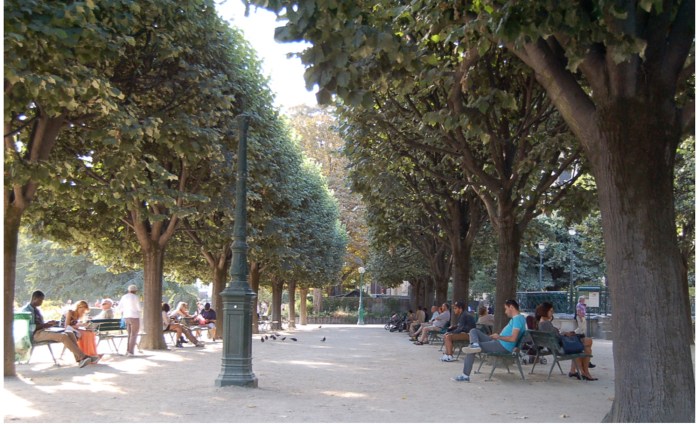
After the fire in 2019 that almost destroyed it, Cathedrale de Notre Dame is also still there, but surrounded by a wall to keep people out while reconstructions are continuing. It’s scheduled to reopen by the end of the year. I had to be content with my memories of the organ concerts we witnessed there and the hours we spent recouping and watching life, seated on one of the benches under lush trees behind the cathedral.
The art museums were, for us, usually the main attractions. We’d been to most of the art museums in Paris—both national and city museums as well as a few others donated to France that began as repositories of private collections like the Cognac Jay, Jacquemart Andree, and the Marmottan Monet.
On my bucket list for this trip were three museums. My favorite museum, Musée d’Orsay, and Musée Picasso to see what changed after renovations concluded in these structures during that time period, and the Fondation Louis Vuitton which opened in 2014 and that I haven’t had the chance to visit. We also spent an afternoon at the national museum of contemporary art at the Centre Pompidou, another interesting building outside the usual mode and a short distance from our short-stay apartment in the 3rd arrondissement.

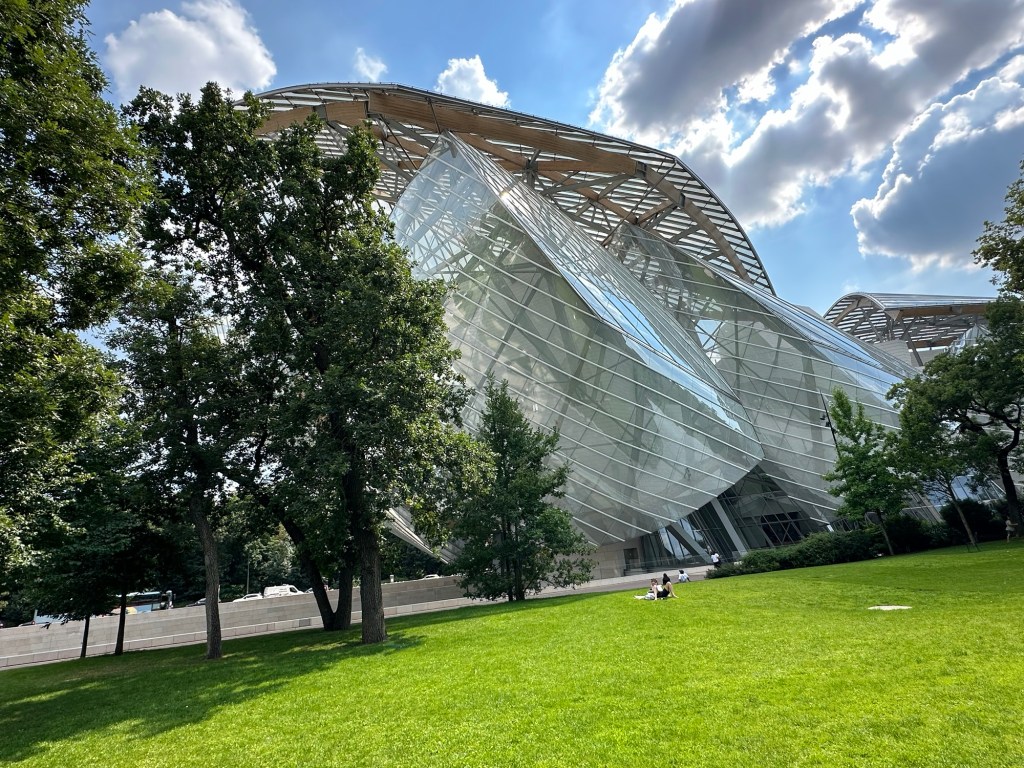
The Fondation Louis Vuitton may not be high on the list of places most tourists choose to go to. But to me, it’s essential on this particular trip. My husband and I have both been admirers of the work of its architect Frank Gehry and I felt I would be seeing the museum for the two of us. Click here for an earlier post I wrote on undulating forms in art and architecture that cited FLV during its construction.
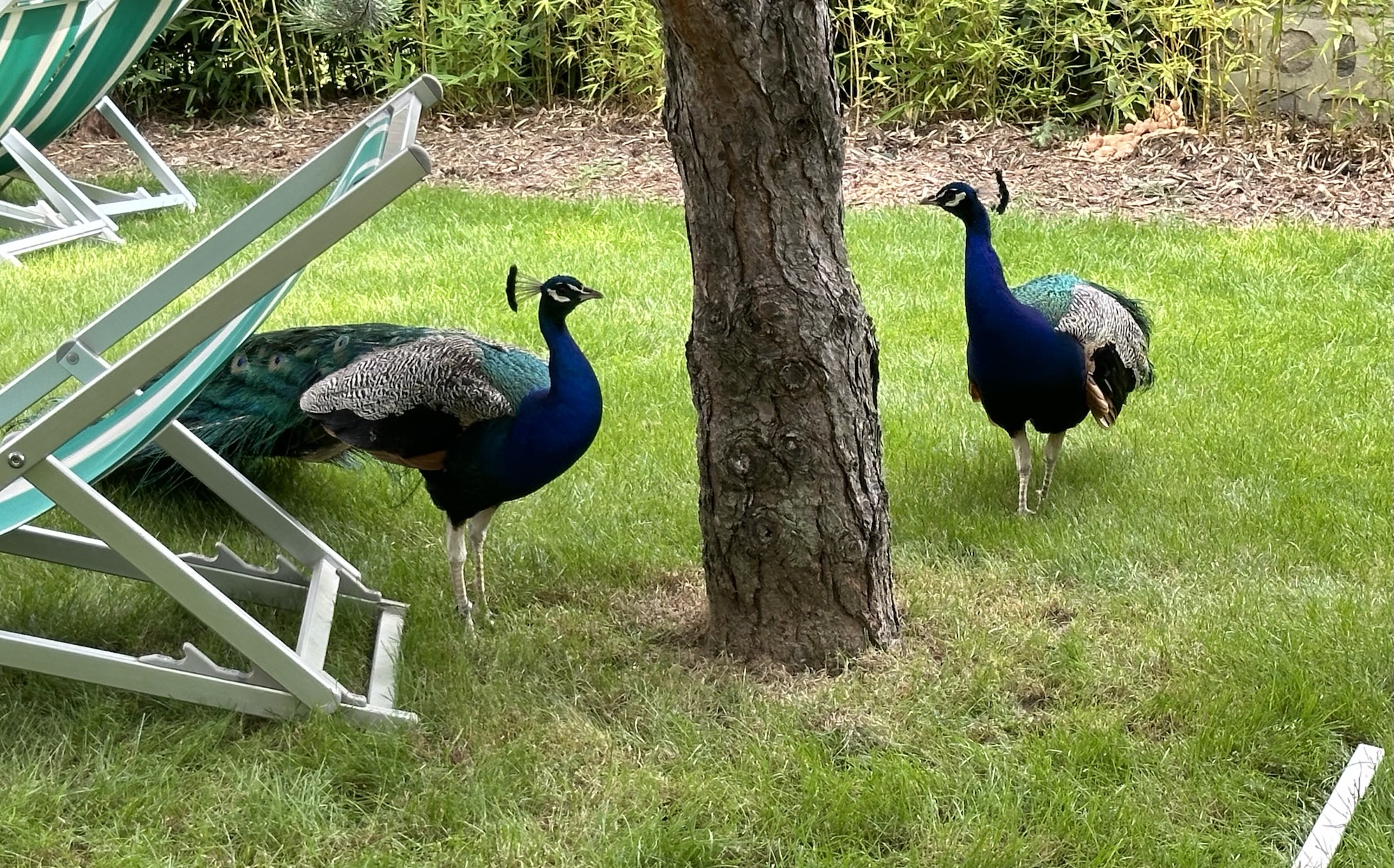
FLV is situated in Jardin d’Acclimatation, a park dating from 1860 in the outer 16th arrondissement of Paris. It’s a beautiful park with water fountains,lakes and streams, exotic plants, and rare animals.


The building continues Maître Gehry’s use of curved glass and new construction methods. Before this museum, Gehry had already defied the conventional use of straight lines in designing both the Walt Disney Concert Hall in Los Angeles and the Guggenheim Museum in Bilbao, Spain.
Bernard Arnault, France’s richest billionaire who owns FLV, commissioned Frank Gehry to construct “an iconic building for the 21st century.” The museum specializes in showing modern art. On our visit, the works of Ellsworth Kelly and Henry Matisse’s The Red Studio were the main exhibits. Watch a short sampling here.
 artsy rambler